YEYU (yeyupu) is a wall material manufacturer in China, offering PU stone-effect and decorative wall panels, decorative architectural elements, and MCM flexible stone. Highly competitive pricing and a broad product range are important strengths of our business.
Customers do not always arrive with a product code already chosen. Sometimes the starting point is a feature wall with pronounced rock layers, a finer travertine look, or a surface intended to continue around a curve. We organise different materials and textures in one catalogue so you can first find a design direction, then compare the relevant products.
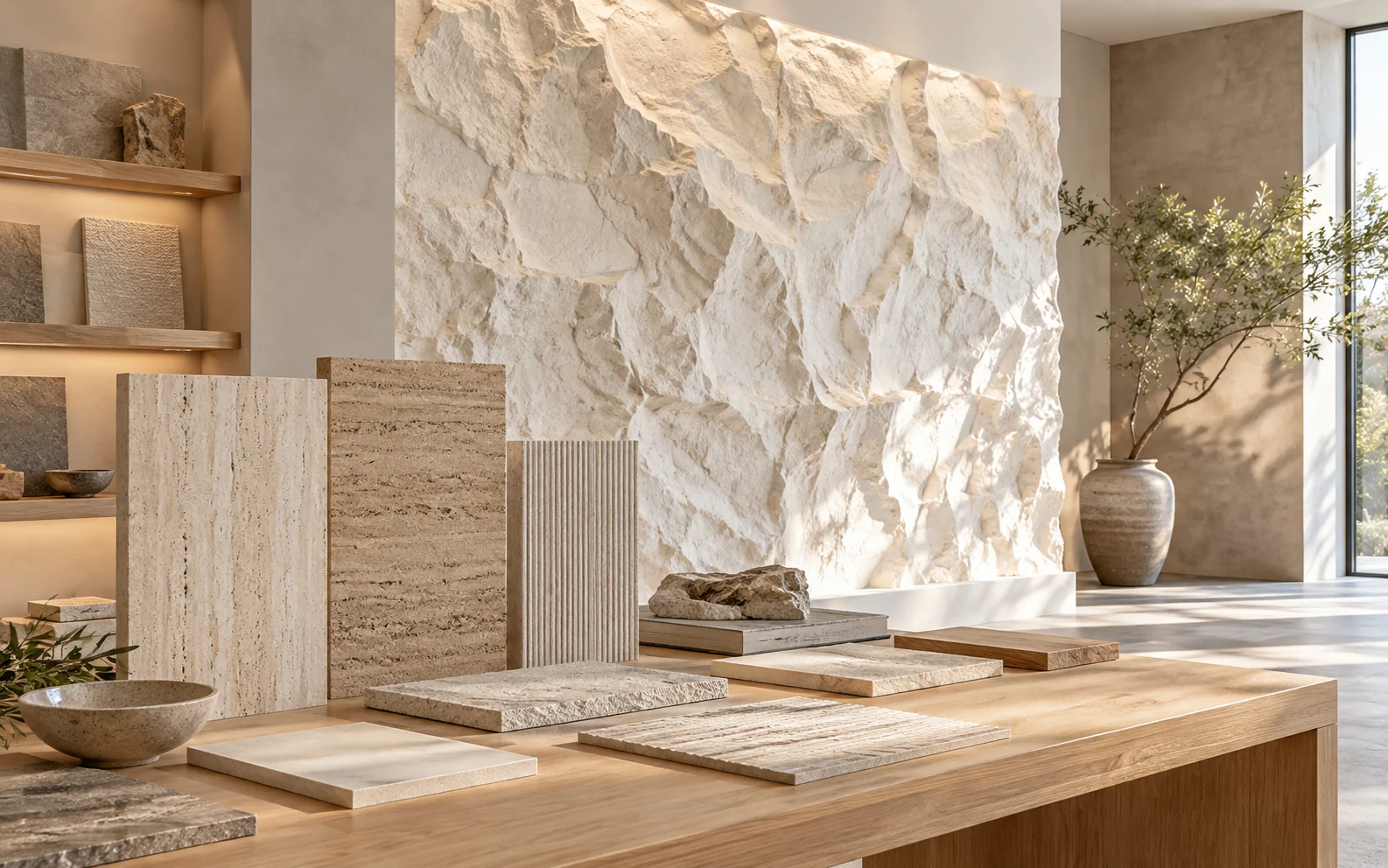
Cover: Illustrative concept: rock relief and varied fine textures in a material selection space
1. Explore PU and MCM as separate material lines
PU decorative wall panels use a polyurethane material system. Formed profiles and surface finishes can create rock, brick, wood-grain and other three-dimensional effects. Compare the shape of the whole panel, its relief and the arrangement of several panels, as well as edges and finishing details.
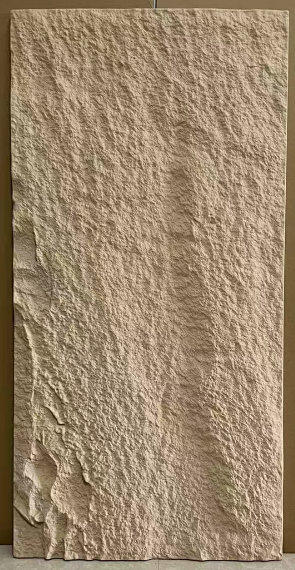
MCM is a mineral-based flexible finish. Our catalogue includes travertine, rammed-earth, linear, rockface and textile textures, among others, giving customers interested in mineral-like surfaces and flexible finishes more options. For a curved design, check the selected model's thickness, permitted bending conditions and installation information.
We display the two lines separately to make selection clearer. Similar stone appearances can come from different materials. Customers should know which product they are choosing and have samples and information that match it.
2. A broad range of products you can actually compare
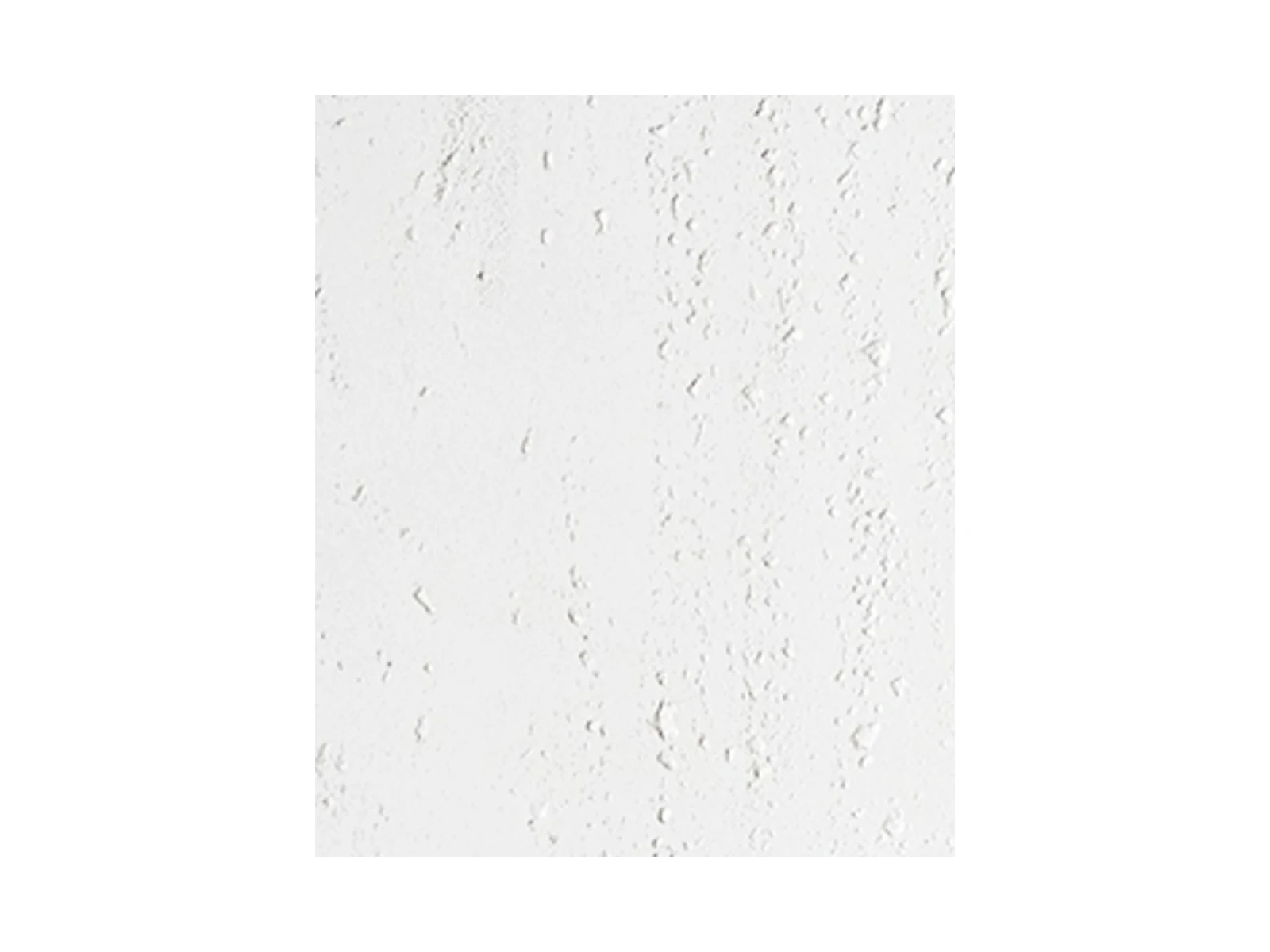
The PU catalogue covers six directions: stone and rock textures, brick and masonry effects, fair-faced concrete and cement looks, wood and bamboo looks, linear and relief textures, and decorative architectural elements. From pronounced rock forms to regular lines or shaped elements, you can narrow the selection around a visual priority.
The MCM catalogue includes travertine and porous textures, rammed-earth textures, linear and fluted textures, rockface and layered textures, concrete and smooth textures, textile and woven textures, wood looks, and leaf-vein and bamboo-node textures. Alongside the texture, check each collection's colour references, panel formats and reference specifications.
Compare three-dimensional forms in the PU product catalogue, or explore surface directions in the MCM flexible stone catalogue. The value of a broad range is having useful choices to compare and finding products closer to the design you want.
3. Highly competitive pricing is a clear strength
We offer highly competitive pricing and welcome quotation comparisons based on the same product requirements. If you have chosen a texture, send the product code and your requirements. If you are still comparing materials, start with the design direction and budget considerations.
A useful price comparison needs a clearly identified product. Two similar photographs may represent different materials, thicknesses, formats or packing requirements. Confirm those points, then include the quantity and destination in the same inquiry. This makes it easier to judge which option suits the project.
Our aim is to provide highly cost-effective wall materials. Discuss a specific model, target specification and quantity with us, then confirm a written quotation and its scope. Material appearance and budget can then be considered together.
4. Turn a reference image into a specific product discussion
If you have not chosen a product, send an interior image or texture reference and explain what you want to retain: rock relief, pore-like details, horizontal layering or a quieter background colour. This gives us more to work with than a request for a similar-looking stone.
Designers can consider site lighting, neighbouring materials and viewing distances when selecting samples. Distributors can first identify the texture and colour directions they want to cover. Project buyers can provide wall dimensions, quantity, destination and expected timing together. Each discussion can start with the actual need.
For sizes, colours or specifications not listed, contact us with the product code. Some MCM dimensions and thicknesses are selection references. A close-up texture or colour reference image does not establish that every colour is available in every size; check the actual options for the product.
5. Make the next conversation useful
You do not need a complicated materials schedule for a first inquiry. A preferred model or image, intended location, target dimensions, estimated quantity and destination make sample and quotation discussions more specific. Include a profile or radius information if the design has a curve.
We want customers to get to know YEYU through actual products, and to include our broad range and highly competitive prices in their comparisons. Start with materials and textures, then review samples and a specific quotation, so you can decide about working with us using clear information.
Contact YEYU. Email: sales@yeyupu.com; WhatsApp: +853 6206 6872.